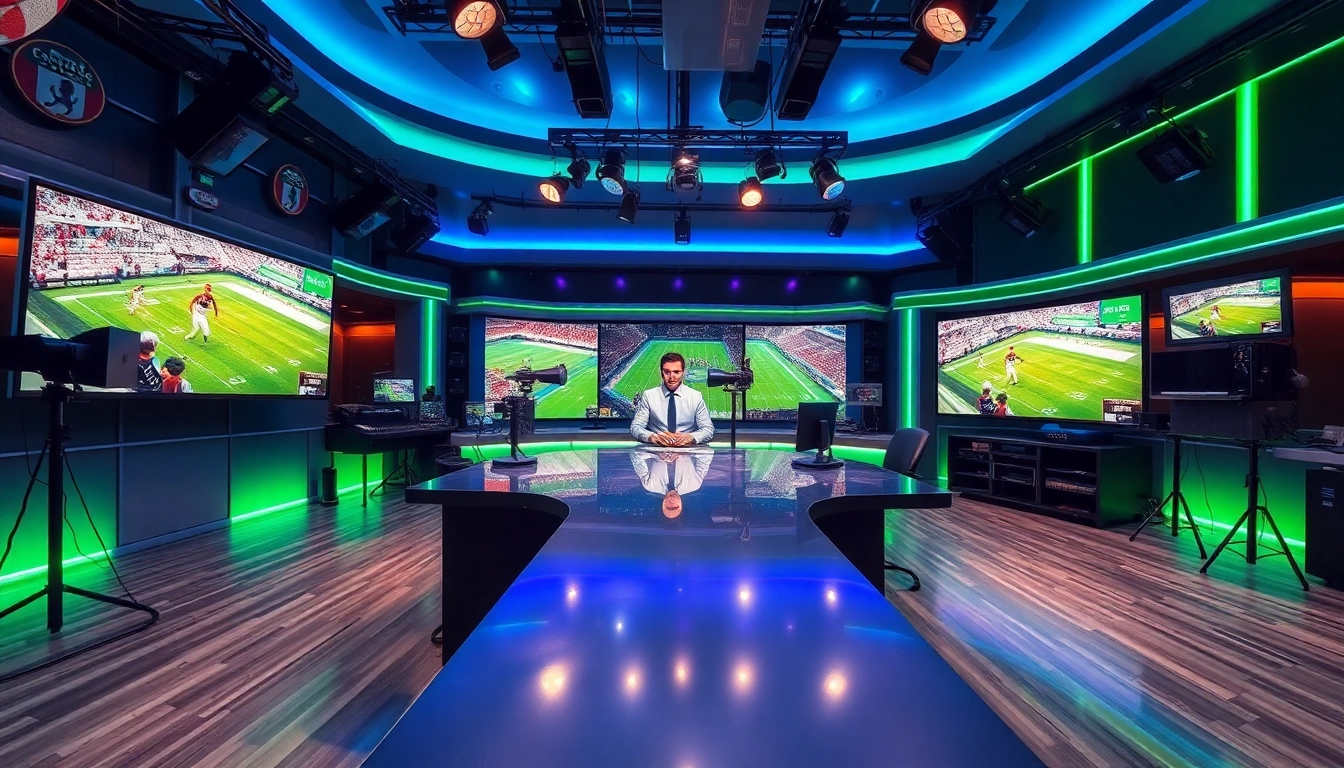
The Evolution of Sports Broadcasting
A Brief History of Sports Broadcasting
Sports broadcasting has come a long way since its inception in the early 20th century. Initially, sports events were transmitted via radio broadcasts, allowing fans to listen to their favorite teams from the comfort of their homes. This new form of entertainment revolutionized how audiences engaged with sports. The first live televised sports event took place in 1936, marking a significant milestone in the evolution of sports broadcasting. As technology progressed, the broadcast medium transitioned to television, ultimately bringing sports into living rooms worldwide. The advent of color television further enhanced the viewing experience, making it even more appealing.
Technological Advances in Broadcasting
With the rapid advancement of technology, sports broadcasting has continuously evolved. The introduction of satellite broadcasting in the late 1980s allowed networks to reach broader audiences worldwide, effectively globalizing sports events. The rise of high-definition (HD) and ultra-high-definition (4K) broadcasts significantly improved picture quality, enhancing viewers’ experiences. Additionally, innovations in graphics technology, such as augmented reality graphics, have allowed broadcasters to present more engaging and informative displays during games, revolutionizing viewer understanding and enjoyment.
The Impact of Streaming Services
In recent years, streaming services have transformed the landscape of sports broadcasting dramatically. Platforms like ESPN+, Amazon Prime Video, and dedicated sports streaming sites have emerged, providing fans with on-demand access to a wide variety of sports content. This shift away from traditional cable subscriptions allows viewers to tailor their sports consumption according to their preferences. Furthermore, the implementation of mobile applications has made watching sports more accessible, enabling audiences to stay connected with their favorite teams and events while on the go. The future of Sports Broadcasting now heavily leans towards digital platforms as a primary avenue for sports consumption.
Core Components of Sports Broadcasting
Essential Equipment for Sports Broadcasting
Successful sports broadcasting relies significantly on quality equipment. Critical components include cameras, microphones, and broadcasting software. High-definition cameras are crucial for capturing the action, while advanced audio equipment ensures clear reporting and analysis. Additionally, broadcast trucks equipped with cutting-edge technology play a vital role in delivering live content. Understanding and investing in the necessary tools can significantly enhance the quality of broadcasts, ultimately leading to higher viewer satisfaction.
Understanding Broadcast Formats
Sports broadcasting employs various formats to cater to diverse audiences. Traditional formats such as live broadcasts provide real-time engagement, while recorded highlights cater to viewers who prefer summaries. Additionally, sports documentaries and analysis shows offer in-depth examination of performances, enriching the overall viewing experience. Understanding these formats allows broadcasters to effectively reach and engage different viewer demographics, maximizing audience retention.
Roles and Responsibilities in the Studio
The broadcasting studio consists of several roles, each crucial in delivering a polished sports program. Producers oversee the entire operation and content, ensuring a smooth running of broadcasts. Directors manage visual elements and camera angles, while commentators and analysts provide engaging narratives and expert insights. Behind the scenes, technical engineers handle equipment, ensuring quality production. Each role contributes to the overall success of sports broadcasts, emphasizing the importance of teamwork in delivering high-quality content.
Strategies for Effective Sports Broadcasting
Engaging Your Audience
Audience engagement is crucial for successful sports broadcasting. Broadcasters must focus on creating interactive experiences through polls, quizzes, and fan participation segments. By soliciting viewers’ insights and opinions, broadcasters can foster a sense of community around their broadcasts. Incorporating features such as viewer comments during live games can also make audiences feel valued, enhancing engagement levels significantly.
Using Social Media for Real-Time Updates
Social media has become a powerful tool for sports broadcasters. Platforms like Twitter, Facebook, and Instagram allow broadcasters to provide real-time updates, engage with fans, and share highlights to attract viewers. This two-way communication strategy enables broadcasters to build a loyal audience by keeping fans informed and involved. Using hashtags and social media campaigns can further enhance visibility and encourage fan contributions during broadcasts.
Creating Compelling Content
Content creation is a vital aspect of sports broadcasting. Creators should prioritize high-quality storytelling that captivates audiences, whether it’s through expert analysis, behind-the-scenes features, or player interviews. Unique angles or themes can help stand out in a crowded market. Continually focusing on what resonates with viewers and leveraging feedback can greatly enhance content appeal, leading to increased retention and viewership.
Challenges in Sports Broadcasting
Dealing with Live Broadcast Challenges
Live broadcasting presents unique challenges, such as unexpected disruptions or events. Broadcasters must have contingency plans to deal with technical difficulties, changing weather conditions, or player emergencies seamlessly. Effective training and rehearsal can prepare teams for the unforeseen, ensuring smooth transitions and maintaining audience engagement throughout any interruptions.
Regulatory Hurdles in Broadcasting
Sports broadcasting is often subject to strict regulations that can pose challenges for broadcasters. Rights agreements, content restrictions, and broadcasting licenses can complicate the landscape. Staying informed about the legal landscape is essential for broadcasters to navigate these hurdles safely. Developing partnerships with legal experts can help broadcasters comply with laws while maximizing viewership and content reach.
Maintaining Viewer Engagement
In an increasingly competitive environment, maintaining viewer engagement remains a significant challenge for sports broadcasters. As audiences become selective about what they watch, it’s vital to innovate continuously. Implementing feedback mechanisms, experimenting with broadcasting formats, and introducing new segments can help keep broadcasts fresh and appealing. Establishing a loyal community through direct interaction can also combat viewer attrition.
Future Trends in Sports Broadcasting
The Role of Data Analytics in Broadcasting
Data analytics is poised to revolutionize sports broadcasting by providing broadcasters with valuable insights into viewer preferences and behaviors. By analyzing viewer interactions, engagement rates, and demographic data, broadcasters can tailor content that meets audience demands. This personalized approach can lead to improved viewer satisfaction and retention, making data-driven decision-making crucial for future success.
Virtual Reality and Augmented Reality Experiences
Virtual Reality (VR) and Augmented Reality (AR) technologies hold immense potential for sports broadcasting, offering immersive experiences that traditional broadcasts cannot match. Through VR headsets, fans could feel as if they are on the field with their favorite players, while AR could offer interactive graphics during live games, providing real-time statistics and player information. Integrating such technologies can increase viewer engagement significantly, offering a unique selling point for broadcasters.
Predictions for Sports Broadcasting Innovations
As technology continues to progress, we can anticipate significant innovations in sports broadcasting. From the expansion of 5G connectivity enabling higher-quality mobile streaming to AI-driven virtual commentators, the future holds endless possibilities. Moreover, integration with smart tech and connected devices will likely enhance user experiences, allowing for personalized viewing. Broadcasters who adopt these innovations early will have the advantage in capturing and retaining audience interest.
FAQs About Sports Broadcasting
What equipment is essential for sports broadcasting?
Key equipment includes high-definition cameras, microphones, broadcasting software, and state-of-the-art production trucks for seamless broadcasts.
How has streaming affected traditional sports broadcasting?
Streaming services provide on-demand access to sports, shifting viewer preferences away from traditional cable subscriptions and increasing content consumption flexibility.
What strategies can enhance audience engagement?
Interactive segments, real-time social media updates, and high-quality storytelling can significantly boost viewer engagement during broadcasts.
What challenges do broadcasters face in live events?
Challenges include technical difficulties, unexpected events, and maintaining viewer interest amidst interruptions, requiring preparation and flexibility.
What future trends should broadcasters anticipate?
Broadcasters should explore data analytics, VR, and AR to create engaging experiences, along with innovations driven by evolving technology.