
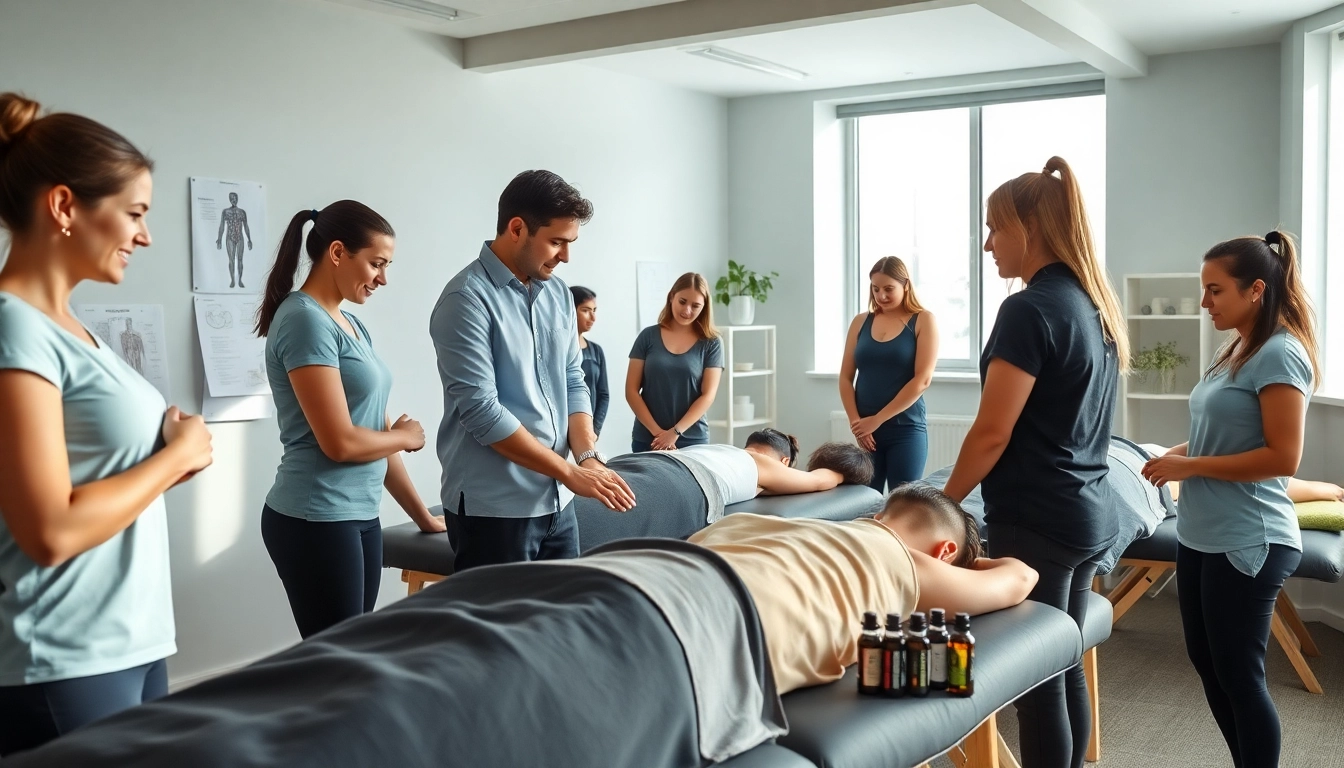
Understanding Sports Massage Techniques
Sports massage is an essential component of athletic training and recovery, designed to enhance performance and alleviate the physical stresses faced by athletes. By focusing on specific techniques and approaches, sports massage addresses the needs of athletes from various disciplines, allowing for individualized treatment plans that facilitate optimal recovery and performance. When exploring options, Sports massage course providers offer thorough insight into these techniques, enhancing practitioners’ understanding and skills.
Types of Sports Massage
Sports massage encompasses several specialized types, each tailored to the unique demands of athletes. The four main types include:
- Pre-event Massage: This type aims to prepare athletes for an event, focusing on stimulating circulation and loosening up muscles. Typically applied 15 to 60 minutes before an event, it enhances performance and reduces the risk of injury.
- Post-event Massage: Offered after competitions, this massage helps soothe muscles, reduce soreness, and promote relaxation, aiding the recovery process.
- Maintenance Massage: Regular sessions help to maintain muscle flexibility and prevent injuries. It focuses on the areas of the body most often stressed during athletic training.
- Rehabilitation Massage: After injury, this massage type is crucial for restoring movement, reducing pain, and aiding in the healing process.
Benefits of Sports Massage for Athletes
The benefits of sports massage are manifold, making it an increasingly popular choice among athletes. Key advantages include:
- Enhanced Recovery: Sports massage accelerates recovery by improving blood circulation and reducing muscle tension and soreness.
- Improved Performance: Regular sessions help maintain flexibility and strength, contributing to better overall performance.
- Injury Prevention: By addressing muscle tightness and imbalances, sports massage reduces the likelihood of injuries during training and competition.
- Mental Relaxation: Beyond physical benefits, sports massage helps reduce anxiety and stress, contributing to an athlete’s mental well-being.
Common Techniques Used in Sports Massage
Sports massage employs a variety of techniques tailored to the athlete’s specific needs. Some common methods include:
- Swedish Massage: Utilizing long strokes, kneading, and circular movements to promote relaxation and blood flow.
- Deep Tissue Massage: Focuses on deeper layers of muscle tissues, ideal for chronic tension and injury recovery.
- Trigger Point Therapy: Targets specific knots in muscle fibers to alleviate discomfort and restore normal muscle function.
- Myofascial Release: Involves gentle sustained pressure to eliminate fascial restrictions and improve overall movement.
Course Overview: What to Expect
Enrolling in a sports massage course provides aspiring therapists with an opportunity to deepen their knowledge and apply practical skills in real-world settings. These courses focus on comprehensive training methods that integrate theory with hands-on practice, ensuring participants are well-prepared for their professional roles.
Program Structure and Duration
Typically, sports massage courses are structured to include both theoretical lessons and practical sessions. Depending on the program, courses may last anywhere from a few weeks to several months. Many programs offer flexible scheduling, making it easier for professionals to balance their education with existing commitments.
Hands-On Learning and Practical Applications
One of the critical elements of sports massage training is hands-on experience. Students engage in hands-on practice through supervised sessions, allowing them to apply techniques learned in the classroom effectively. This practical knowledge is invaluable as it prepares students to handle real-life scenarios in their future practice.
Instructor Expertise and Qualifications
Instructors typically possess advanced qualifications in sports medicine and massage therapy. Many have backgrounds as athletes or sports professionals, providing students with insights that enhance their learning experience. Their expertise ensures that participants receive training grounded in both theory and practical application.
Key Benefits of Enrolling in a Sports Massage Course
Investing in sports massage education brings significant benefits to participants—both personally and professionally. Here are some of the key advantages:
Improving Athletic Performance
Understanding sports massage techniques allows practitioners to provide tailored treatment plans that enhance their clients’ performance. As athletes recover faster, they can train harder and achieve better results in their sports.
Personal and Professional Development
Enrolling in a sports massage course not only improves one’s technical skills but also fosters personal growth. Students build confidence, develop communication skills, and learn to create therapeutic relationships with clients, vital for effective practice.
Building Client Relationships Through Effective Techniques
Understanding the specific needs of athletes helps therapists establish trust and rapport. Developing effective techniques ensures that clients feel comfortable and cared for, leading to long-lasting relationships.
Challenges and Misconceptions in Sports Massage
While sports massage is widely practiced, several challenges and misconceptions can hinder its acceptance and effectiveness. Addressing these issues is essential for practitioners aiming for successful outcomes.
Addressing Common Misunderstandings
Many people believe that all massage is the same, but sports massage requires specific techniques and knowledge about anatomy and physiology. Educating clients on the unique benefits and approaches of sports massage can help correct these misunderstandings.
Overcoming Client Resistance
Some athletes may resist massage, fearing discomfort or questioning its benefits. Therapists must communicate the advantages clearly and provide options for each client’s comfort level, from deep tissue work to lighter techniques.
Technological Trends in Sports Massage Education
The integration of technology, such as mobile apps and online resources, enhances the learning experience. Virtual classes and online training modules provide flexibility for students while maintaining high educational standards.
Future Developments in Sports Massage Training
As the field of sports massage continues to evolve, several developments are anticipated in training methods and techniques.
Emerging Techniques and Practices for 2026
Future sports massage courses are expected to include emerging techniques that respond to the latest research in sports medicine and therapy. Innovations such as pain management strategies based on neuroscience will likely gain traction.
Integration of Technology in Massage Training
Utilizing technological tools like virtual reality for training purposes will create immersive learning experiences, allowing students to practice techniques in a simulated environment and gain immediate feedback.
Continued Learning and Certification Opportunities
As the field grows, so will the opportunities for continued education and specialization, enabling professionals to stay updated on best practices and innovations within the industry. Ongoing certification programs will keep practitioners competitive and knowledgeable.